
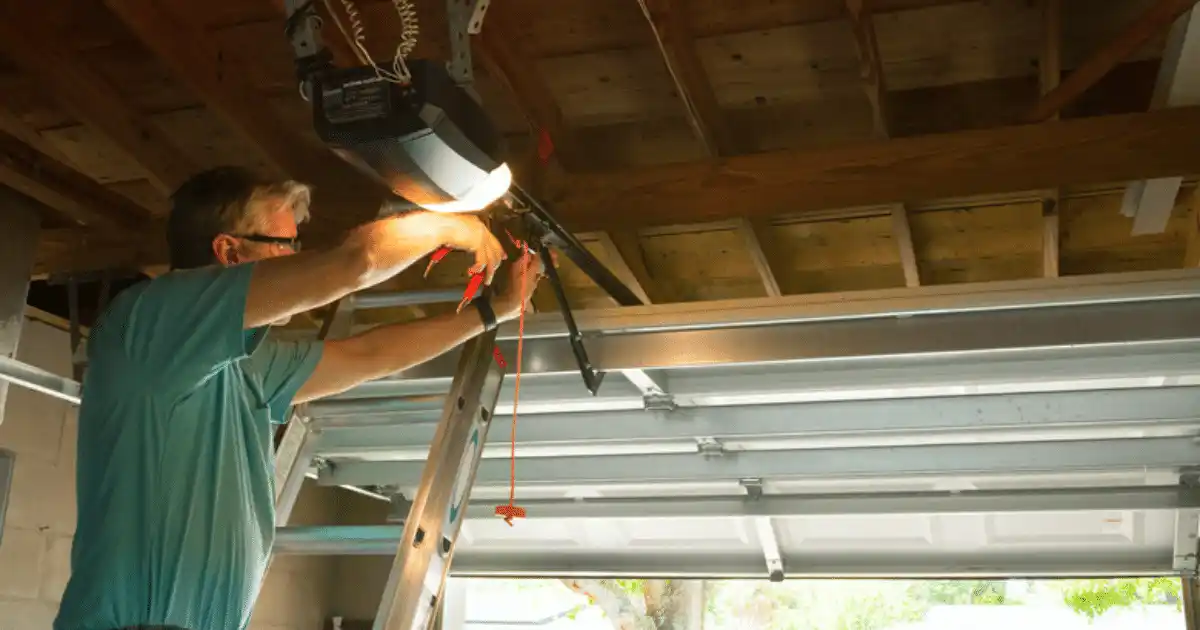
Your garage door plays an important role in daily access and overall home safety. When it stops functioning properly, the impact can go beyond simple inconvenience. Some issues may seem minor at first, while others can quickly create safety or security concerns. Knowing how to recognize situations that require immediate attention helps reduce unnecessary risk.
- A garage door is a main entry point, making reliability essential for safe access
- Certain malfunctions can pose safety risks to people or the surrounding property
- Not all garage door problems carry the same level of urgency
- Delayed response to serious issues can increase the chance of accidents
- Prompt attention helps limit additional damage and operational strain
- Recognizing emergency conditions supports safer decision-making
Understanding when a garage door issue becomes an emergency garage door repair situation allows homeowners to respond more confidently. Being aware of these circumstances helps protect both personal safety and the continued function of the garage door system.
Situations That Commonly Require Emergency Garage Door Repair
Some residential garage door problems can quickly become dangerous if left unaddressed. Issues such as broken springs, doors coming off track, alignment problems, or damaged cables can prevent safe operation and increase the risk of injury or further system failure. Recognizing these warning signs early helps prevent additional damage and supports safer decision-making when a garage door can no longer be used properly.
For a deeper look at related issues, the blog What Are Common Emergency Garage Door Repair Failures? explores these situations in more detail.
Sudden Garage Door Spring Breakage That Stops Door Movement
Garage door springs support the weight of the door and allow it to open and close smoothly. When a spring breaks, the door can suddenly stop functioning and become difficult or impossible to lift safely.
- Springs are under constant tension due to the weight of the door
- A break may be accompanied by a loud noise and immediate loss of movement
- The door can become extremely heavy and unstable
- An open door may fall quickly without proper support
- Continued operation can place strain on other components
A broken spring disrupts the balance of the entire system, making the garage door unsafe to use until the issue is properly addressed.
Garage Door Coming Off Track or Becoming Stuck
Garage doors rely on aligned tracks and rollers to move steadily. When the door slips out of place, it can become unstable and stop functioning as intended.
- Rollers may leave the tracks due to impact or wear
- The door can appear tilted or jammed during movement
- Misalignment weakens structural support
- Continued use may worsen track or panel damage
- An off-track door increases the risk of sudden collapse
Once a door comes off track, normal operation is no longer safe, and the problem can escalate if not addressed.
Snapped or Loose Cables Creating Immediate Safety Concerns
Cables help control the lifting and lowering of the garage door by working alongside the springs. When cables fail, the door may lose balance and move unpredictably.
- Cables are responsible for guiding controlled door movement
- Damage can cause the door to hang unevenly
- Sudden drops or jerking motions may occur
- Cable failure increases the risk of injury or damage
- Doors may fail to close properly, affecting security
Cable issues compromise both safety and stability, making the garage door unreliable until the problem is resolved and often requiring residential garage door services to restore safe operation.
Mechanical Failures That Can Escalate Into Emergencies
Mechanical components that power a garage door can fail without warning, preventing the door from opening or closing properly. Opener motor or gear issues may cause the door to stop responding, reverse suddenly, or remain stuck, which can limit access and create safety concerns. Recognizing these signs early helps prevent further system disruption and supports safer use of the garage door.
To understand how quickly these situations can escalate, the blog Why Can Emergency Garage Door Repair Become Urgent? explains the risks in greater detail.
Garage Door Opener Failure That Prevents Normal Operation
The garage door opener controls when and how the door moves. When internal components stop functioning, the door may fail to respond or behave unpredictably, limiting access and creating safety concerns.
- The door may not respond to wall controls or remote signals
- Clicking, humming, or complete silence can indicate internal failure
- The door may remain stuck in an open or closed position
- Sudden reversing or incomplete movement may occur
- Electrical or mechanical components inside the opener may be affected
When opener failure occurs, the garage door system cannot operate reliably, and continued use may worsen the condition or create additional risks.
Severe Roller or Hinge Damage Affecting Door Stability
Rollers and hinges guide and support the garage door’s movement. When these components wear down or break, the door can lose alignment and stability during operation.
- Worn rollers can cause grinding or jerking movement
- Broken hinges may allow door sections to shift or separate
- Uneven movement increases strain on surrounding components
- Loud or unusual noises often accompany component damage
- Structural stress can build as damage progresses
Damage to rollers or hinges weakens the overall door system, increasing the likelihood of further mechanical failure if the issue continues.
Misaligned Tracks Causing Abrupt or Uneven Door Movement
Tracks keep the garage door moving straight and supported. When alignment is disrupted, the door may struggle to move smoothly or remain safely in place.
- Bent or shifted tracks can interrupt normal door travel
- Grinding or scraping noises may develop during operation
- Rollers may pull away from the track surface
- Visible gaps or dents can affect the door balance
- The risk of the door coming off track increases
Track misalignment affects garage doors by reducing their ability to support their own weight, making proper movement unreliable and potentially hazardous.
Safety and Access Issues Linked to Garage Door Emergencies
Garage door emergencies affect more than convenience, as they can interfere with personal safety and daily access. A door that will not open or close properly can leave occupants stuck inside or outside and may expose the home to security risks. Malfunctions involving safety sensors or sudden door failure can create stressful and potentially dangerous situations, making reliable operation essential for maintaining both access and peace of mind.
For more insight into the safety benefits of prompt action, the blog How Does Emergency Garage Door Repair Protect Safety? explores this topic in depth.
Garage Doors Stuck Open and Exposing the Property
A garage door that becomes stuck in the open position creates immediate security concerns. With the opening left unprotected, access to the garage and home is no longer controlled, increasing the risk of intrusion.
- Broken springs or cables can prevent the door from lowering
- Track obstructions or misalignment may stop downward movement
- Opener motor failure can leave the door frozen in place
- The garage interior becomes fully exposed
- Home security is compromised until the door can close
When a garage door cannot close, the property remains vulnerable, and the issue can escalate if left unresolved.
Garage Doors Failing to Open and Blocking Entry or Exit
A garage door that will not open can disrupt daily routines and restrict access. This situation often signals a significant mechanical issue within the door system.
- Opener motor or gear failure may prevent lifting
- Broken springs can make the door too heavy to move
- Manual operation may no longer be possible
- Vehicles can become trapped inside the garage
- Entry through the garage may be completely blocked
Loss of access through the garage can quickly turn into a serious inconvenience and safety concern when normal movement is restricted.
Uncontrolled Door Movement Creating Injury Risk
Uncontrolled garage door movement is one of the most dangerous emergency situations. Sudden drops or rapid closing can occur when critical support components fail.
- Broken springs or cables remove the weight balance
- The door may slam shut without warning
- Heavy door weight increases injury risk
- Vehicles or property may be damaged
- Safety systems may not prevent free-falling movement
When a garage door no longer moves in a controlled manner, the risk of harm rises sharply, garage door openers may be placed under excessive strain, and the system becomes unsafe to use.
Warning Signs That Indicate Emergency Garage Door Repair Is Needed
Garage doors often show early warning signs before a complete failure occurs. Unusual noises, visible damage, inconsistent movement, or signs of rust can indicate weakening components and developing issues. Paying attention to these changes helps prevent larger problems and reduces the risk of sudden, unsafe garage door malfunctions.
Loud or Unusual Noises During Garage Door Operation
Changes in garage door noise are often early indicators of mechanical trouble. A properly functioning door should move with minimal sound, so new or persistent noises can signal developing issues within the system.
- Grinding or squealing may indicate worn rollers or stressed components
- Scraping sounds can suggest misalignment or contact with tracks
- Popping or banging noises may point to sudden component failure
- Repeated noises often worsen over time
- Sound changes usually reflect internal strain
Unusual noises should not be dismissed, as they often appear before more serious garage door failures occur.
Visible Damage or Sudden Changes in Door Alignment
Physical changes to a garage door can affect both movement and stability. Visible damage often disrupts alignment and places additional stress on connected components.
- Cracks, dents, or warped panels may weaken the structure
- Sagging sections can indicate balance issues
- Gaps when closed may signal alignment problems
- Repeated sticking in the same area suggests obstruction or damage
- Uneven positioning increases system strain
When damage affects alignment, continued operation can lead to larger mechanical failures.
Inconsistent or Unpredictable Garage Door Response
Garage doors are designed to move consistently, so irregular behavior often signals internal wear or control issues. Delays or unexpected movement should be treated as warning signs.
- The door may stop midway during operation
- Sudden reversing can occur without input
- Delayed response after activation may develop
- Movement speed may become uneven
- Commands may not register consistently
Unpredictable garage door behavior often precedes full system failure and can create safety and access concerns if ignored.
Recognizing Emergency Garage Door Issues and When to Seek Immediate Help
Understanding common situations that call for emergency garage door repair helps homeowners respond quickly when problems arise. Issues such as sudden spring failure or track misalignment can develop unexpectedly and escalate if ignored. Recognizing these warning signs early supports safer operation, protects access to the home, and helps prevent more serious garage door failures.
For homeowners seeking reliable help during urgent garage door situations, R&S Overhead Doors of NorCal is a trusted local provider known for responsive service and a strong focus on safety and dependable operation. Our experienced team understands how disruptive garage door emergencies can be and works efficiently to restore proper function and peace of mind. If your garage door issue can’t wait, contact us today or give us a call to get prompt, professional assistance.
Frequently Asked Questions
What safety risks can develop when urgent garage door issues are left unaddressed?
Unresolved garage door problems can cause sudden door drops, uncontrolled movement, or sensor failure. These conditions increase the risk of injury, property damage, and unauthorized access to the home.
How do damaged garage door panels or sections signal the need for immediate attention?
Cracks, dents, or warped panels can weaken the door’s structure and disrupt alignment. This added strain may lead to sudden failure or prevent the door from operating safely.
Which types of garage door malfunctions are most likely to escalate into emergencies?
Failures involving springs, cables, alignment, or opener motors tend to escalate quickly because they affect the door’s balance, movement, and ability to operate safely.
How does a malfunctioning garage door affect daily access to a home or property?
A non-functioning garage door can trap vehicles, block entry, or leave the home exposed, disrupting daily routines and creating security concerns, as explained by Angi.
Why can sudden garage door failures occur without prior warning?
Key components experience ongoing tension and wear, which can cause parts to fail suddenly, even when no obvious warning signs were previously noticeable.
What role does garage door balance play in emergency repair situations?
Proper balance keeps the door stable during movement. When balance is lost, stress increases on other components, raising the risk of sudden failure or loss of control.
How can weather or environmental conditions contribute to urgent garage door problems?
Moisture can cause rust, while temperature changes may affect door materials and alignment, accelerating wear and increasing the likelihood of unexpected breakdowns.
What happens when a garage door loses alignment during normal operation?
Misalignment can cause rough movement, grinding noises, or the door becoming stuck, increasing the chance of track failure or instability.
Why are garage door emergencies more disruptive than routine mechanical issues?
Emergency issues often make the door unusable or unsafe, immediately affecting security, access, and personal safety rather than causing minor inconvenience, as noted by Vocal Media.
How can repeated garage door malfunctions indicate a developing emergency?
Recurring issues often signal underlying component failure, suggesting that the system is nearing a more serious or sudden breakdown.