
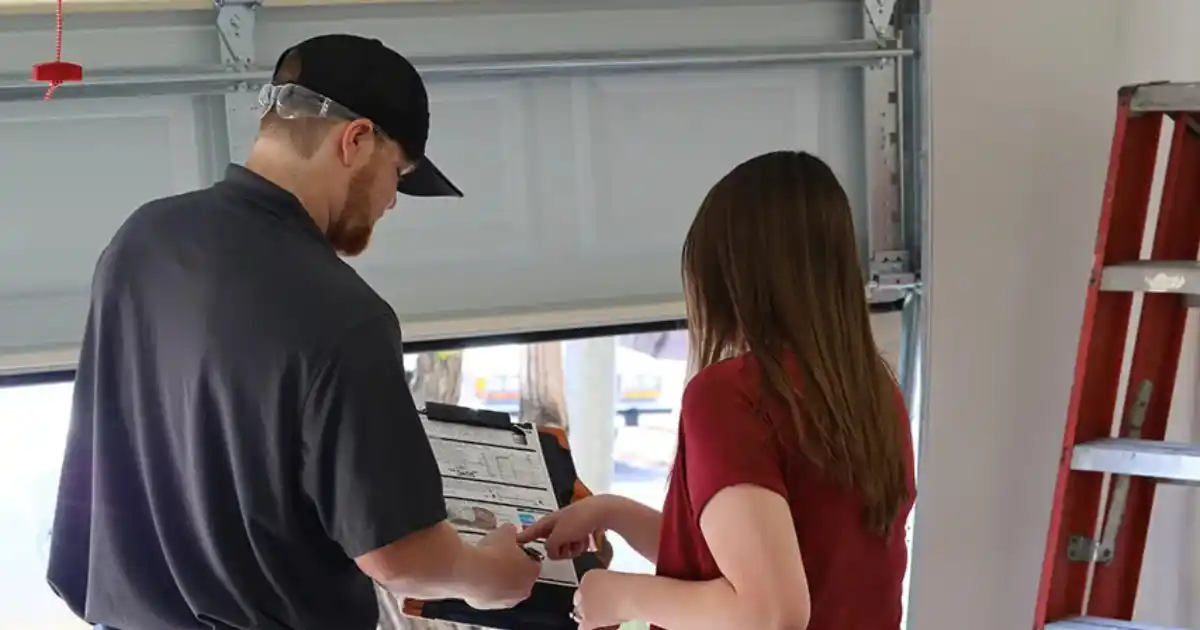
Garage doors rely on multiple components working together to provide safe and reliable access to a home. Because they are used daily, wear or unexpected part failures can occur over time. When these issues happen suddenly, they can interrupt normal operation and create situations that require immediate attention.
Common Reasons Emergency Garage Door Repairs Occur
- Garage doors depend on several interconnected mechanical and operational parts
- Frequent use places an ongoing strain on moving components
- Some failures develop without visible warning signs
- Emergency issues can cause the door to stop, jam, or move unevenly
- Vehicle access may be blocked during sudden breakdowns
- Door malfunctions can affect overall home security
- Power or system-related disruptions may interrupt normal operation
- Minor issues can escalate into urgent failures if conditions worsen
When a garage door no longer operates as expected, everyday routines can be disrupted quickly. Understanding the common causes of emergency garage door failures helps explain why emergency garage door repair is often needed to restore safe and dependable operation.
Mechanical Failures That Disrupt Garage Door Movement
The components responsible for lifting and lowering a garage door are exposed to constant tension, which can cause sudden failures that stop the door from working properly. Issues such as broken springs, worn rollers, or damaged cables can quickly disrupt smooth movement along the tracks, leading to loud noises, uneven operation, or a completely stuck door. When these mechanical failures occur, they often create unsafe conditions that turn routine wear into an emergency situation.
For a deeper look at when these issues become urgent, explore our related blog, What Situations Call for Emergency Garage Door Repair?
Sudden Garage Door Spring Failure
Garage door springs play a critical role in supporting the weight of the door and allowing smooth movement. Because they operate under constant tension, spring failures often happen suddenly and can stop the door from functioning altogether.
- Springs are responsible for balancing the door during opening and closing.
- A broken spring can prevent the door from lifting and leave it stuck closed.
- Loud snapping sounds or visible gaps in the spring often signal failure.
- A failed spring places added strain on the opener and connected components.
When a spring fails, the garage door may become difficult or unsafe to operate. Continued use can increase stress on other parts of the system and worsen the overall malfunction.
Worn Rollers or Hinges Affecting Door Travel
Rollers and hinges help guide the garage door along its tracks and support consistent movement. Over time, regular use can cause these components to wear down, affecting how smoothly the door operates.
- Worn rollers may drag instead of roll, creating resistance.
- Damaged hinges can cause uneven movement and misalignment.
- Grinding or squealing noises often indicate increased friction.
- Restricted movement places added strain on the opener system.
When roller or hinge wear becomes severe, the garage door may struggle to move properly. These conditions can interrupt normal operation and create safety concerns if the door becomes unstable.
Cable Damage Impacting Door Stability
Garage door cables work alongside the springs to lift and lower the door evenly. Because they support significant weight, cable damage can quickly affect the door’s balance and stability.
- Lift cables help distribute the door’s weight during movement.
- Fraying or slipping cables can cause the door to hang unevenly.
- Uneven tension increases stress on the remaining cable and spring.
- A misaligned door may bind within the tracks or stop moving.
Cable-related failures can make the garage door unsafe to operate. When the door loses balance, continued use may lead to further system damage or sudden loss of support, often requiring residential garage door services to restore safe operation.
Operating System Failures: Preventing Normal Use
The garage door opener controls how the door functions by using a motor and electrical components to manage movement. When this system fails, the door may stop opening or closing altogether, limiting access and disrupting daily routines. Opener-related issues can stem from electrical interruptions, motor failure, or communication problems between controls and the system, making it important to recognize when the issue originates within the opener rather than the door’s mechanical parts.
To better understand how these problems escalate, see our related article, Why Can Emergency Garage Door Repair Become Urgent?
Garage Door Opener System Failure
The garage door opener is the motorized system that controls automatic door movement. When this system fails, the door may stop responding or operate inconsistently, often pointing to internal mechanical or electronic issues.
- Motor runs, but the door does not move, indicating internal drive problems
- No response from the opener due to power loss or control board failure
- Humming sounds without movement are caused by motor or capacitor issues
- Door reversing unexpectedly due to internal settings or control errors
Opener system failures can disrupt normal access and create uncertainty about whether the issue is mechanical or electrical. Identifying the general symptom helps clarify where the failure originates within the opener system.
Electrical Interruptions Affecting Door Operation
Garage door systems rely on consistent electrical power to operate properly. When power is interrupted, the door may appear to have a mechanical failure even though the root issue is electrical.
- Loss of power to the opener stops all door movement
- Inactive safety sensors are preventing the door from closing
- Intermittent operation caused by unstable wiring or connections
- Power disruptions are affecting both residential and commercial access
Electrical interruptions can disable multiple garage door components at once. These failures often affect convenience, access, and safety until power is fully restored and stabilized.
Control Signal Miscommunication
Garage door operation depends on clear communication between control devices and the opener system. When signals fail to transmit properly, the door may not respond as expected.
- Remote or wall control signals are failing to reach the opener
- Interference disrupts communication between devices
- Receiver issues are preventing commands from being recognized
- Delayed or inconsistent door response to control inputs
Signal miscommunication can make garage doors difficult to diagnose when problems arise, as the door may function inconsistently. These issues highlight the importance of reliable communication between controls and the opener system.
Structural Issues That Create Immediate Safety Concerns
The garage door’s panels and tracks form the structural foundation of the entire system, and damage to these components can compromise both stability and safety. Bent tracks or cracked panels weaken alignment, cause improper movement, and increase the risk of the door sticking or becoming unstable. These issues often develop from impact, weather exposure, or long-term use, and when left unaddressed, they can escalate into more serious operational and safety concerns.
For more insight into the safety benefits of timely action, read our related post, How Does Emergency Garage Door Repair Protect Safety?
Garage Door Panels or Sections Becoming Compromised
Garage door panels form the main structure of the door, and damage to even one section can affect overall stability. Cracks, dents, or warping can interfere with movement and place uneven stress on supporting components.
- Cracked or dented panels weaken the door’s structural integrity
- Warped sections can disrupt alignment along the tracks
- Panel separation may cause rough or noisy operation
- Gaps between panels can accelerate wear over time
When panel damage is present, the garage door may no longer move evenly or securely. Continued operation under these conditions can increase strain on other parts of the system and lead to broader functional issues.
Garage Door Coming Off Its Track
A garage door relies on its tracks to remain upright and balanced during operation. When the door comes off its track, it loses proper support and can become unstable.
- Rollers disengaging from the track cause uneven door positioning
- The door may appear slanted, stuck, or unable to move
- Weight is no longer evenly supported along both sides
- Sudden movement increases safety risks
An off-track garage door creates an immediate safety concern. Until proper alignment is restored, the door may remain unpredictable and unsafe to operate.
Track Deformation Limiting Door Alignment
Garage door tracks must stay straight and properly positioned to guide smooth movement. Bent, dented, or shifted tracks can interfere with alignment and disrupt normal operation.
- Deformed tracks restrict roller movement
- Misalignment causes grinding or scraping noises
- Increased resistance places added strain on the opener
- Severe deformation may lead to roller derailment
Track deformation rarely resolves on its own and often worsens with continued use. As alignment issues escalate, added strain can affect garage door openers, increasing the likelihood of more serious garage door failures.
Safety-Related Failures That Stop Door Function
Modern garage doors rely on safety sensors and locking mechanisms to protect both people and property. When these components fail, the door may refuse to close, fail to stay secured, or operate unpredictably, creating safety and security concerns. Sensor malfunctions, auto-reverse issues, or lock failures can interrupt normal operation and leave the garage vulnerable until the underlying problem is properly addressed.
Garage Door Safety Sensor Malfunctions
Safety sensors are designed to prevent the garage door from closing when something is in its path. When these sensors fail or misread conditions, the door may stop functioning properly and remain open.
- The door begins closing, but reverses without obstruction
- Opener lights blink repeatedly during closing attempts
- The door only closes when the wall button is held down
- Misaligned, dirty, or damaged sensors interrupt the signal
Sensor malfunctions can leave the garage unsecured and disrupt normal operation. Until the sensors function correctly, the door may continue to behave unpredictably or refuse to close.
Auto-Reverse System Activation Errors
The auto-reverse system monitors resistance while the door is closing and is meant to stop unsafe movement. When this system malfunctions, the door may reverse unexpectedly or fail to reverse when required.
- The door reverses immediately without visible resistance
- The door fails to reverse despite contact or pressure
- Irregular stopping during closing cycles
- Inconsistent response during normal operation
Auto-reverse errors can create safety concerns and prevent reliable use of the garage door. These issues often indicate internal system problems that affect both performance and protection.
Door Locking or Release Mechanism Failures
Garage door locking and release mechanisms help control access and allow manual operation when needed. When these components fail, the door may become stuck, unsecured, or difficult to operate.
- The door fails to lock or unlock properly
- The door cannot open or close due to lock misalignment
- Emergency release does not disengage the door
- Forced operation causes resistance or strain
Locking or release failures can compromise both access and security. Continued operation under these conditions may increase stress on the door system and worsen overall reliability.
Why Garage Door Emergencies Can Quickly Disrupt Safety and Access
Understanding common garage door emergencies helps explain how sudden failures or weakened components can affect both safety and daily access. When critical parts stop working as they should, issues can escalate quickly and disrupt normal operation. Recognizing how urgent these problems can become highlights why garage door failures are more than simple inconveniences and underscores their potential impact on security and reliability.
For homeowners looking for dependable help during urgent garage door situations, R&S Overhead Doors of NorCal is a trusted local provider known for prompt response and a strong focus on safety and reliability. Our experienced team understands how disruptive garage door emergencies can be and works efficiently to restore proper operation and peace of mind. If your garage door issue can’t wait, contact us today or give us a call to get professional assistance you can rely on.
Frequently Asked Questions
What safety risks are associated with delaying emergency garage door repairs?
Delaying emergency garage door repairs can increase the risk of sudden door movement, falling components, and security vulnerabilities. Damaged parts may fail without warning and create unsafe conditions.
What warning signs indicate that a garage door spring failure has become an emergency?
Common warning signs include a loud bang, visible gaps in the spring, a door that feels unusually heavy, or a door that will not open. These signs indicate that the spring can no longer support the door.
Why does garage door panel damage often require urgent repair attention?
Damaged panels weaken the door’s structure and can disrupt alignment. This added strain can affect tracks, rollers, and the opener, increasing the risk of further failure.
Can a garage door remain partially functional during an emergency failure?
Yes, a garage door may still move temporarily, but continued operation can worsen damage. A partial function often signals an underlying issue that can escalate quickly. For additional context on how emergency garage door situations develop, see this external resource from ONREC.
Why do some emergency garage door failures occur without warning?
Many failures result from gradual wear on springs, cables, or hardware that is not always visible. When tension builds over time, components can fail suddenly.
How can emergency garage door failures affect home access and security?
Emergency failures can prevent the door from opening or closing properly, limiting access and leaving the garage unsecured. This can disrupt daily routines and reduce home security.
What types of garage door failures commonly prevent the door from opening?
Broken springs, damaged cables, opener motor failure, or power loss are common reasons a garage door may not open. These issues affect the door’s ability to lift safely.
Can emergency garage door issues worsen if the door continues to operate?
Yes, continued use can place extra strain on damaged parts, causing additional failures. This increases the likelihood of more serious and unsafe breakdowns.
How do weather conditions contribute to emergency garage door failures?
Moisture can cause rust, heat can warp panels, and sudden temperature changes can stress metal components. These conditions accelerate wear and increase failure risk. For more insight into how seasonal factors affect garage doors, visit California Services Business Blog.
Why are emergency garage door failures more disruptive than routine issues?
Emergency failures occur suddenly and can immediately block access or compromise security, requiring urgent attention compared to routine maintenance concerns.