

An automatic gate offers a smart way to strengthen property security while adding everyday convenience. Functioning much like a modern drawbridge, it provides homeowners with greater control over access to their property and a stronger sense of safety. Over time, however, even the most reliable system can begin to show signs of wear, causing it to lose efficiency or responsiveness.
When the gate no longer performs as intended, understanding the underlying issues becomes essential. By recognizing potential problems early, property owners can ensure that their automatic gate and garage door services continue to serve as the first line of defense against unwanted entry, maintaining both protection and peace of mind.
Understanding Automatic Gates and Their Main Components
An automated gate is designed to provide secure access control for both homes and businesses, combining function and convenience in a single system. At its core are several essential components: a driveway gate, which may operate as either a swing or sliding model, and an electric opener that drives its motion. Access control systems complete the setup, allowing owners to determine who can enter or leave the property. While swing gates often suit wide, open driveways, sliding gates are ideal for limited spaces or uneven terrain where clearance is tight.
When connected during the driveway gate installation, all these components, motor, control unit, and safety mechanisms work together to create a smooth and reliable system. A well-installed automatic gate not only strengthens security but also elevates a property’s appearance, blending practicality with aesthetic value. By understanding how each element functions within the system, owners can better recognize early signs of trouble and maintain consistent gate performance over time.
To dive deeper into the benefits and potential drawbacks of gate automation, check out our blog “The Real Pros and Cons of Installing an Automatic Gate on Your Property.”
The Role of Slide Gate Operators in Automatic Gate Systems
For homes or businesses with limited space, a slide gate offers a practical and secure solution that maximizes both efficiency and safety. At the heart of the system is the slide gate, the motor responsible for moving the gate smoothly along its track. This mechanism powers the entire operation, providing the convenience of remote control while maintaining a strong barrier of protection. Known for their reliability and ease of use, slide gate operators are a popular choice for property owners seeking both function and peace of mind.
The performance of an automated gate depends heavily on the quality of its operator. Choosing a durable, high-performing model ensures smoother motion, reduces strain on the gate, and enhances long-term security. However, even the most advanced equipment can fail if not installed correctly. A precise driveway gate installation prevents unnecessary wear, protects the motor, and guarantees that the system runs as intended. When the installation is handled professionally, the entire setup becomes a lasting investment in safety, convenience, and property value.
Why Quality Sensors and Control Panels Matter in Automatic Gate Installation
The intelligence of an electric gate lies in its sensors and control panels, which serve as the brain of the entire automation system. These components receive and process commands, ensuring the gate moves safely and efficiently while maintaining smooth coordination with access control features. Working together, they allow property owners to manage who can enter, adding an essential layer of security that blends convenience with protection.
Equally vital are the sensors that detect obstacles and prevent the gate from closing on vehicles or people. When properly installed and calibrated, they safeguard both property and equipment, including garage doors, preserving the integrity of the overall security system. High-quality sensors and control panels ensure that every command, whether from a keypad, remote, or access reader, triggers the right response. For residential and commercial properties alike, a well-integrated system delivers consistent, reliable performance and the sense of safety that defines a well-designed automated gate.
Environmental Factors That Affect Automatic Gate Performance
Beyond its internal components, an automated gate endures constant exposure to the elements. Harsh weather, fluctuating temperatures, and debris such as dirt or leaves can all take a toll on the electric gate, its opener, and the mechanical parts that keep it moving. Over time, these conditions can wear down the system’s performance and compromise the reliability that property owners depend on for security.
For those in Yuba City and other areas with unique environmental challenges, understanding how local conditions affect a gate’s operation is essential. Even when designed for minimal upkeep, an electric gate can experience unexpected issues if exposed to prolonged heat, moisture, or buildup. Recognizing how these factors influence the gate opener helps prevent performance decline and ensures that the automated gate continues to operate as a dependable safeguard for the property.
To learn more about how automation enhances both protection and ease of access, explore our blog “How an Automatic Gate Improves Security While Adding Modern Convenience.”
How Weather and Temperature Fluctuations Impact Automatic Gate Operation
Extreme weather and sudden temperature shifts can make automatic driveway gates difficult to operate. Metal components expand in heat and contract in cold, which can cause the gate to become misaligned and strain the motor and moving mechanisms. Over time, this extra pressure leads to jerky movement, reduced efficiency, and a noticeable drop in performance.
Moisture from rain or snow can also seep into electric gate openers and control panels, disrupting sensitive electronics. When a driveway gate installation isn’t properly sealed, water can corrode wiring, rust internal parts, and eventually cause system failure. Using weather-resistant materials and protective enclosures helps preserve both the gate’s reliability and security, ensuring it continues to function smoothly even under harsh conditions.
Weather can affect gate performance in two main ways:
- Moisture can infiltrate electrical components and cause malfunctions.
- Temperature changes can misalign hinges and tracks, making the gate move unevenly.
Dust, Debris, and Local Conditions in Yuba City That Influence Automatic Gate Performance
In areas like Yuba City, airborne dust and falling debris from trees can gradually interfere with the smooth operation of an automatic driveway gate. Fine particles often collect in the tracks and mechanical components, creating friction that forces the gate opener to work harder each time it moves. Over time, this extra strain wears down the motor and reduces the system’s overall efficiency.
Leaves, twigs, and other obstructions can also block the gate’s path or cover its safety sensors. When a sensor’s view is interrupted, the gate may fail to close completely, leaving the property vulnerable. Keeping the tracks, sensors, and surrounding area clear helps the system maintain smooth performance and consistent security. Ignoring these issues can shorten the gate’s lifespan and compromise the protection it’s meant to provide. For added reliability and curb appeal, property owners often pair their systems with trusted brands like Clopay garage doors, known for combining durability with refined design.
Common effects of dust and debris buildup include:
- Accumulated debris can cause the gate to slip out of its track.
- Dust infiltration can damage the internal components of the gate opener.
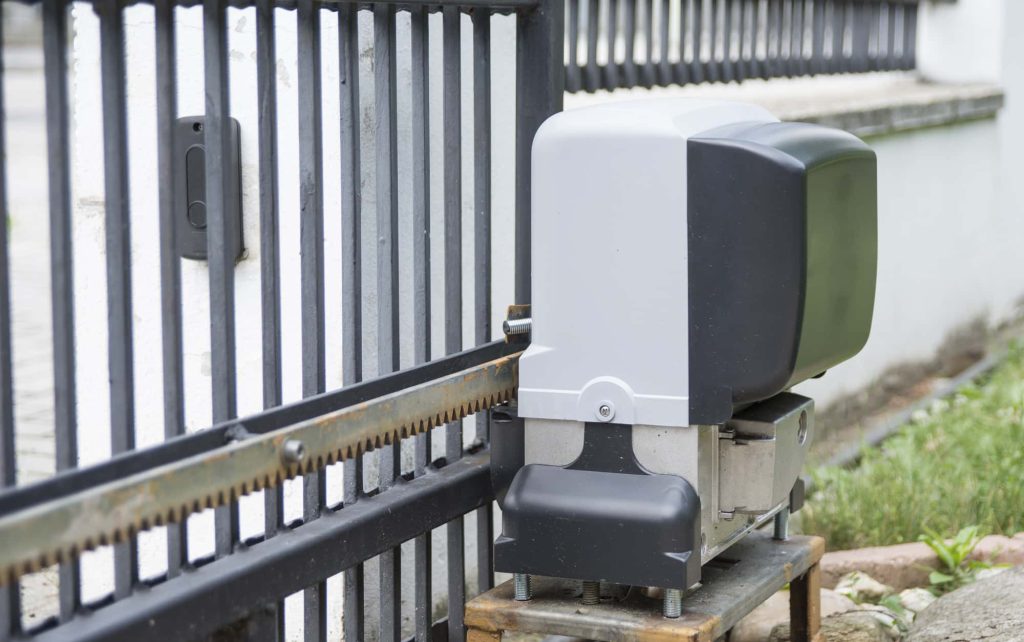
Common Mechanical and Electrical Issues in Automatic Gates
Even the most reliable automatic driveway gate can develop issues over time as a result of everyday wear. Mechanical components such as hinges, wheels, or tracks may deteriorate with constant movement, while electrical elements like wiring, sensors, control boards, or motors can also begin to fail. When these parts stop functioning as they should, the entire system loses the precision and dependability that make it secure.
Because these issues can weaken the gate’s protective features, identifying the root cause quickly becomes essential. Whether it’s a damaged component within the slide gate operators or a fault in the electrical wiring, prompt attention helps restore smooth operation and ensures that your automatic driveway gate continues to provide strong, consistent security for your property.
If you’re considering professional help to keep your gate performing at its best, take a look at our blog “Finding an Automatic Gate Installer Near Me for Reliable Home Upgrade.”
Motor Problems Found by Professional Automatic Gate Installers
The gate opener serves as the driving force behind the entire electric gate system, and most performance issues trace back to this critical component. When a driveway gate installation isn’t properly aligned or balanced, the motor must work harder than intended to move the gate, creating unnecessary strain. Over time, this extra effort can cause the motor to overheat and wear out prematurely, reducing both efficiency and reliability.
Continuous use also takes its toll, as years of daily operation naturally wear down internal parts. A weakening motor may cause the gate to move more slowly, hesitate mid-cycle, or fail to close completely, each of which compromises the gate’s overall security. When movement becomes sluggish or uneven, it’s often a sign that the motor needs professional inspection. Addressing these issues early not only restores smooth operation but also preserves the strength of your automated gate’s security features, ensuring lasting protection and peace of mind. Many property owners rely on trusted systems like the LiftMaster residential operator, known for its durability and consistent performance, to keep their gates running efficiently year after year.
Sensor Misalignment and Delayed Responses Requiring Automatic Gate Repair
Safety sensors are among the most vital components of any automated driveway gate, forming the foundation of its security and reliability. Yet even these essential features can encounter problems over time. One of the most common issues is sensor misalignment, which occurs when the photo-eye sensors become misaligned. This can happen if the sensor is accidentally bumped, the ground shifts, or the vibration from the gate opener causes slight movement. When alignment is off, the sensors may mistakenly detect an obstacle and prevent the gate from closing, even when the path is clear.
You may also notice a delay between pressing the remote and the gate’s response, which often points to a fault in the receiver, control board, or wiring. At the same time, it might seem like a small inconvenience, but slow or unresponsive access control can weaken overall security. A gate that doesn’t close properly or respond immediately fails to deliver the protection it’s meant to provide. Addressing these issues quickly restores the system’s precision and ensures your automated driveway gate continues to offer dependable, secure access control. Homeowners who value both performance and style often complement their setup with carriage house doors, which combine timeless design with the durability needed for long-term reliability.
Warning Signs Your Automatic Gate Needs Professional Attention
An automatic driveway gate often gives early clues when something isn’t working as it should. Paying attention to these signs helps catch problems before they lead to full system failure or compromise your property’s security. Ignoring them, on the other hand, can result in costly repairs and a gate that stops functioning when you need it most.
Unusual sounds, jerky motion, or hesitation during operation often indicate that your electric gate needs professional attention. When left unresolved, these issues can weaken the system’s reliability and reduce the level of protection it provides. Addressing them promptly keeps your automatic gate operating smoothly, preserves its security strength, and ensures lasting peace of mind. Just like maintaining garage door openers, regular inspection and timely service help prevent costly breakdowns and keep every entry point to your property functioning safely and efficiently.
Unusual Sounds and Jerky Movements in Automatic Gates
One of the clearest signs that something is wrong with your gate system is unusual noise during operation. A properly functioning gate should move quietly and smoothly, so grinding, scraping, or loud clicking usually points to a mechanical issue. These sounds often come from worn bearings, debris caught in the track, or a loose or damaged chain that needs adjustment.
Jerky or uneven movements are another warning sign. If your electric driveway gate shudders, hesitates, or stops mid-motion, the cause may be a strained motor, an obstructed track, or an inconsistent power supply. As discussed on ScienceDirect, mechanical systems under stress often experience vibration and irregular motion when components wear down or lose alignment. These irregular movements put additional strain on the gate’s motor and hardware, accelerating wear and shortening its lifespan. Addressing the issue promptly helps maintain reliable security and prevents minor malfunctions from turning into costly repairs. An experienced technician can pinpoint the source of the problem and restore smooth, quiet operation before it affects your gate’s overall performance.
Frequent Malfunctions That Indicate the Need for Automatic Gate Repair
An occasional glitch with your gate isn’t always a cause for concern, but frequent malfunctions, such as failing to open or close, stopping midway, or working inconsistently, often signal the need for professional automatic gate repair. These issues can stem from electrical faults, worn components, or installation errors, and ignoring them can lead to a complete system failure that compromises both security and peace of mind. A gate should operate reliably every time, not just occasionally, which is why regular maintenance and expert servicing are essential to prevent unexpected breakdowns. Warning signs that point to deeper problems include a gate reversing direction for no reason, failing to respond to remote or keypad commands, or moving noticeably slower than before, all indicators that it’s time to have your system inspected by a professional.
Understanding the common issues that affect automatic gates is key to keeping them reliable and long-lasting. When you know how the system’s main components work, how weather impacts performance, and what mechanical problems to watch for, you can address potential issues before they turn into costly repairs. Early attention not only saves money but also ensures that your gate continues to operate safely and smoothly. For property owners who want a deeper understanding of how their automatic gate functions, speaking with a professional is the best next step. A consultation provides expert insight, answers specific questions, and helps ensure the entire system stays in peak condition.
For trusted expertise and dependable service, turn to R&S Overhead Doors of NorCal. Our experienced team specializes in automatic gate installation, maintenance, and repair, ensuring every system delivers lasting performance and security. Contact us today or give us a call to schedule your consultation and keep your property safe, functional, and looking its best.