
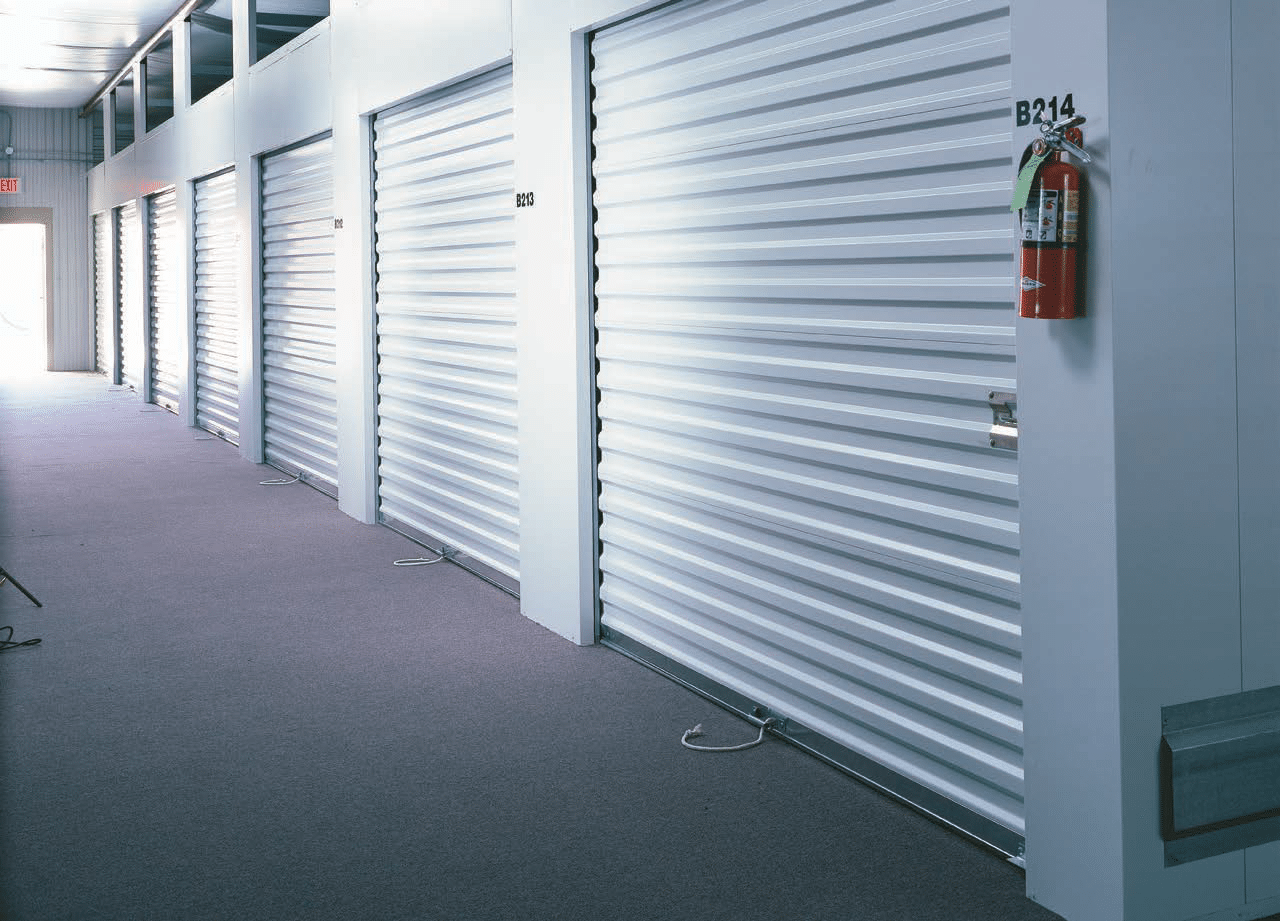
Rolling steel doors have a reputation for being tough. But are they actually built to handle the kind of punishment that comes with heavy daily use, or is that just a sales pitch? For homeowners and business owners in Yuba City, CA, where summer heat can exceed 110°F and dust is a constant challenge, knowing what your door can and cannot handle matters a lot.
Whether it is called a grill roller door or a full steel curtain system, this guide breaks down everything worth knowing about rolling steel doors, their durability, common wear points, and what to watch for before a small issue turns into a costly repair.
What Makes a Rolling Steel Door “Heavy-Duty”?
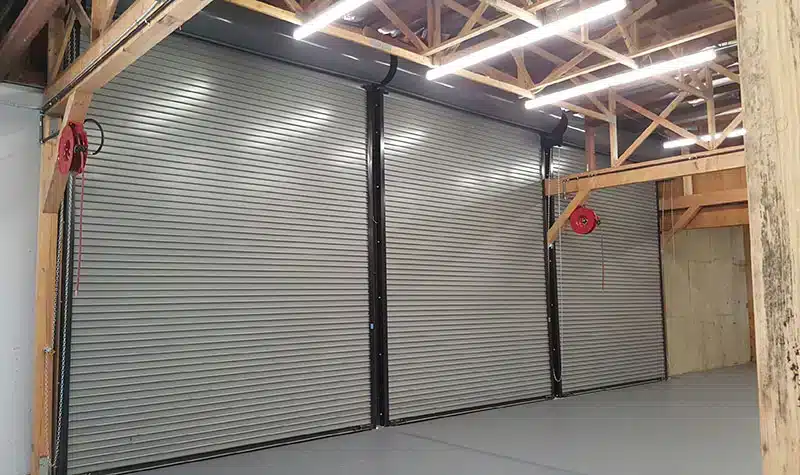
Not all rolling steel doors are created equal. The term “heavy-duty” gets thrown around a lot in the garage door industry, but it actually refers to specific construction standards.
Genuine heavy-duty rolling steel door typically features:
- Galvanized or coated steel slats that resist rust and corrosion
- Reinforced curtain construction rated for high cycle counts
- Industrial-grade springs and barrel assembly designed for thousands of open/close cycles
- Heavy bottom bar with solid weather seals
Standard residential rolling doors are often rated for 10,000 to 15,000 cycles. Commercial-grade rolling steel doors can reach 100,000 cycles or more. In a busy Yuba City commercial setting, where a door might open and close 20 or more times per day, that difference is enormous.
For a deeper look at how these doors hold up in real-world commercial environments, check out Why Rolling Steel Doors Are Trusted for Commercial Use.
7 Reasons Rolling Steel Doors Are Built for Heavy Daily Use
1. Steel Slat Construction Handles Repeated Movement
The curtain of a rolling steel door is made of interlocking steel slats that coil around a barrel overhead. This design distributes stress evenly across the entire curtain instead of concentrating it at a single point like a traditional hinged door.
Each slat flexes slightly as it coils and uncoils, which actually helps absorb impact over time. Low-quality slats will develop cracks or deformities at the curl points. Premium slats maintain their shape even after years of daily cycling.
What to watch for: Visible bends, dents, or gaps between slats. A single damaged slat can throw off the entire curtain alignment.
Tip: Inspect the curtain every few months by running a hand along the slats when the door is fully lowered. Any irregularity you can feel with your fingers is worth addressing early.
Steel slat construction also plays a major role in keeping properties protected around the clock. How Do Rolling Steel Doors Secure Commercial Buildings? covers exactly why that matters for business owners.
2. Torsion Springs Absorb Thousands of Cycles
The spring system is the workhorse of any rolling steel door. Torsion springs store and release energy with every single cycle. In a high-use environment, those springs are working hard every single day.
Heavy-duty rolling steel doors use industrial torsion springs rated for far more cycles than residential counterparts. However, every spring has a finite lifespan. Once the cycle count is reached, spring failure becomes a real risk.
What to watch for: The door becoming noticeably heavier to lift, uneven lifting where one side rises faster, or any loud popping or snapping sounds during operation.
Tip: Never ignore a door that feels heavier than usual. That is almost always the first sign that spring tension is dropping. Catching it early prevents the spring from snapping under full load, which can cause secondary damage to the drum or barrel.
A professional spring inspection in the Yuba City area typically runs at an average cost that is well worth it compared to an emergency replacement after a full failure.
Spring strength is just one piece of what makes these doors a smart long-term investment. What Makes Rolling Steel Doors Ideal for Businesses? breaks down the full picture.
3. The Barrel and Drum System Manages Load Distribution
The barrel is the horizontal tube the curtain wraps around when the door opens. It works alongside the drums, which guide the coiling movement. In a heavy-duty system, the barrel diameter and wall thickness are engineered to handle the weight of a full steel curtain repeatedly.
Undersized barrels flex over time and can develop a permanent bow. This puts uneven stress on the curtain, accelerating wear on both the slats and the guides.
What to watch for: A slight wobble or vibration when the door is in motion. The curtain rubbing against one side guide more than the other.
Tip: Listen to the door during operation. A healthy rolling steel door moves with a consistent sound. Any grinding, scraping, or knocking deserves a closer look.
4. Side Guides Keep the Curtain Tracking True
Side guides are the vertical channels on each side of the door opening that keep the curtain moving in a straight, controlled path. In a heavy daily use scenario, these guides take a beating from the constant friction of the steel curtain passing through them.
Guides that are bent, loose, or improperly anchored allow the curtain to shift during operation. Over time, this causes uneven wear on the slat edges and can lead to the curtain jumping the track entirely.
What to watch for: Visible gaps between the slat edges and the guide channel. A curtain that appears to lean slightly to one side when lowered.
Tip: Keep guides lubricated with a dry or silicone-based lubricant. In Yuba City’s dusty environment, avoid heavy oil-based products that collect debris and create a gritty paste inside the guide channel.
5. Weather Seals Protect the Mechanism in Yuba City’s Climate
Yuba City sits in the Sacramento Valley, which means extreme heat in summer and wet, foggy winters. That climate variation puts real stress on rubber and vinyl weather seals.
Rolling steel doors rely on bottom bar seals and optional side and top seals to keep out dust, water, and pests. When seals degrade, moisture and debris get inside the barrel housing and spring area. Rust and corrosion follow, dramatically shortening the life of the mechanical components.
What to watch for: Daylight visible around the door perimeter when it is fully closed. Debris accumulating just inside the door after a dusty day or rainstorm.
Tip: Replace weather seals as soon as they show cracking or compression failure. The average cost of a new bottom seal is minimal compared to the damage that moisture intrusion can cause to springs and bearings.
6. Bearing Plates and End Caps Need Regular Attention
Bearing plates sit at each end of the barrel and allow it to rotate smoothly. End caps hold the entire assembly in place on the mounting brackets. These components are small but critical.
In a high-cycle door, bearing wear is inevitable. Worn bearings cause increased friction, which forces the motor or operator to work harder. This accelerates wear on the operator motor and can cause overheating in extreme cases.
What to watch for: A screeching or squealing sound during operation, often most noticeable when the door first starts moving. The door hesitating or moving unevenly before settling into normal speed.
Tip: Bearings should be greased periodically. Many property owners in Yuba City forget this step during routine maintenance. Adding it to a seasonal checklist can significantly extend the life of the entire door system.
7. The Operator Motor Drives It All
Most commercial rolling steel doors in Yuba City use an electric operator for daily use. The motor, drive chain or jackshaft, and limit switches all work together to automate the cycle.
Heavy-duty operators are rated for a higher duty cycle, meaning they can run more consecutive operations without overheating. A residential-grade operator paired with a commercial rolling door is a common mismatch that leads to premature motor failure.
What to watch for: The operator struggling to lift the door from a full stop, especially in cold weather. The motor running unusually hot after several cycles. Limit switches that cause the door to stop short or travel too far.
Tip: Match the operator rating to the actual daily cycle count. A door that opens 30 or 40 times per day needs a commercial-duty operator, full stop. Using the right equipment from the start saves money over the long term.
Common Problems With Rolling Steel Doors in Yuba City
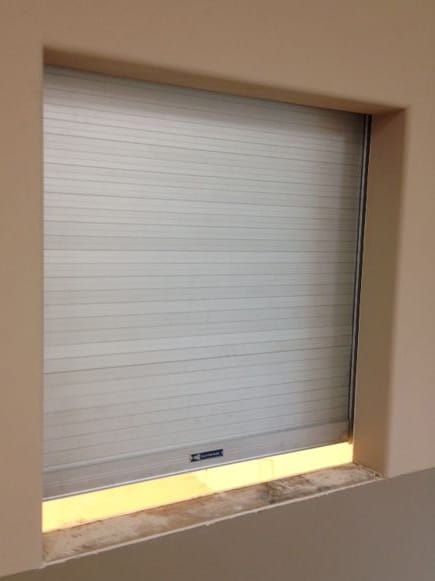
Even well-built rolling steel doors develop issues over time, especially in a climate like Yuba City’s. Here are the most common problems seen in the field:
- Corrosion on slat edges from irrigation overspray or moisture intrusion
- Spring fatigue accelerated by temperature swings between summer heat and winter cold
- Guide channel warping from direct sun exposure on south-facing or west-facing installations
- Seal breakdown from UV degradation, which is significant in the Central Valley
- Motor overheating on high-frequency commercial doors that were underspecified at installation
Most of these problems are preventable with scheduled maintenance. A professional inspection twice a year is a reasonable standard for any high-use rolling steel door.
What a Proper Maintenance Checklist Looks Like
For a rolling steel door in heavy daily use, a solid maintenance routine covers:
- Visual inspection of all slats for dents, cracks, or gaps
- Lubrication of guides, bearings, and springs with appropriate products
- Weather seal inspection and replacement as needed
- Spring tension check by a qualified technician
- Operator function test including limit switch and auto-reverse safety check
- Barrel and drum alignment check
- Fastener tightening on mounting brackets and guide anchors
Skipping this routine is the single biggest reason rolling steel doors fail prematurely. A sheet metal door that costs several thousand dollars to replace could last decades with a couple hundred dollars in annual maintenance.
Get the Right Help From a Trusted Local Expert
R&S Overhead Doors of NorCal has been serving Yuba City and the Sacramento Valley with professional rolling steel door installation, repair, and maintenance. When the door needs attention, the right team makes all the difference. Contact us today or give us a call to schedule an inspection.