
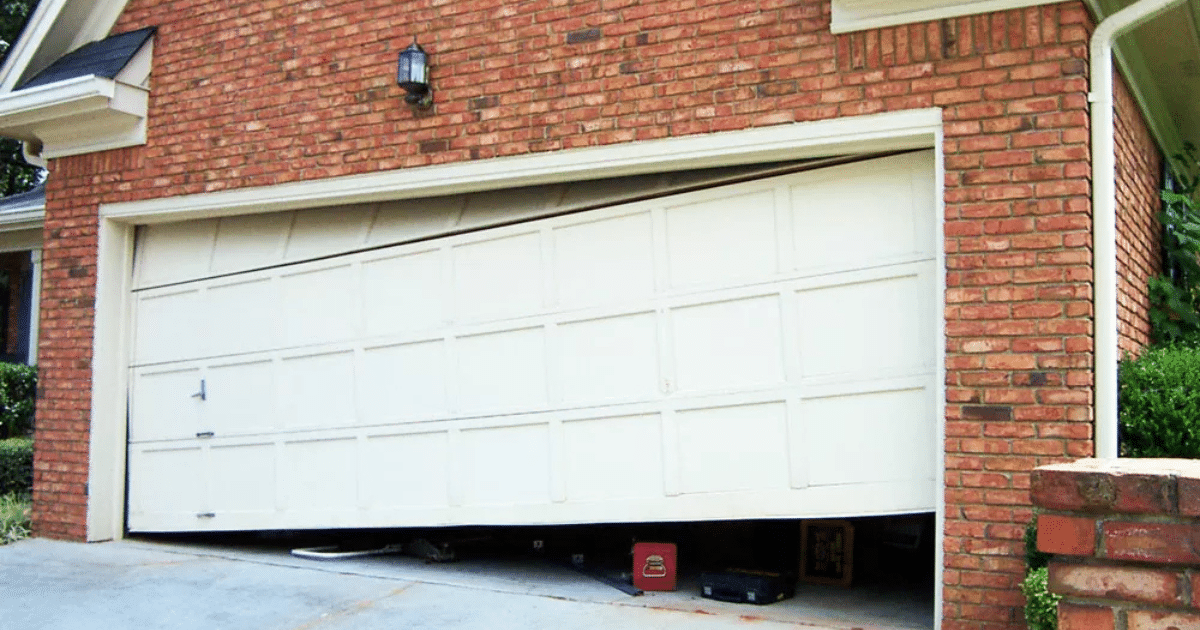
If your garage door won’t close fully, this expert guide will help you find out what’s wrong and how to fix it quickly.
A garage door that won’t close all the way can be a real hassle. If you’re asking, How do you fix a garage door won’t close all the way? This guide covers the most common causes and quick fixes.
Start by checking the sensors. It might stop or reverse if the door is dirty, misaligned, or blocked. Clean the lenses, adjust the alignment, and clear any obstructions. Also, check the tracks for damage or dirt that might cause problems.
If that doesn’t help, try adjusting the opener’s limit settings. These control how far the door moves. It can trigger the safety reversal if it stops too soon or too late. For tougher problems, consider calling garage door repair services.
How to Check Garage Door Sensors for Proper Functioning
Garage door sensors ensure safety by detecting obstructions. If misaligned or dirty, they can prevent the door from closing fully. Here’s how to troubleshoot them effectively.
Inspect for Obstructions
Look around the sensors for debris, spider webs, or anything that might block the signal. Even small items can prevent the door from closing. Keep the sensor area clear to avoid false signals and ensure the door works smoothly.
Check Alignment
Make sure both sensors are facing each other directly. If one is out of line, the door might not close. Loosen the bracket and adjust the sensor until the light turns solid, showing it’s lined up correctly.
Clean the Lenses
Wipe the sensor lenses with a soft cloth to remove dust, dirt, or moisture. Dirty lenses can block the beam, causing the door to act up. Clean lenses help the sensors work better and keep the door safe.
Test the Door
After checking for obstructions and alignment, try closing the door again. If it still doesn’t close, check the wiring for damage or loose connections. Faulty wires can prevent the sensors from working properly, keeping the door from closing.
How to Examine and Maintain Your Garage Door Tracks
Misaligned or damaged tracks can prevent smooth operation. Learn to inspect and realign them to ensure your garage door closes properly.
Clean the Tracks
Wipe the tracks with a damp cloth to remove dirt, grease, and debris. Built-up grime can stop the door from moving smoothly and cause it to get stuck. Regular cleaning keeps the tracks clear, helping your garage door run smoothly and last longer.
Check for Dents or Bends
Inspect the tracks for dents or bends that might block the door’s movement. Use a rubber mallet to gently tap out minor bends. If severe damage affects the door’s alignment, it’s best to call a professional for a track replacement.
Ensure Proper Alignment
Check the tracks with a level to make sure they are straight. Misaligned tracks can cause the door to jam or move unevenly. Loosen the bolts, adjust the tracks as needed, and retighten them to keep the door on track.
Lubricate the Tracks
Apply a high-quality garage door lubricant to the tracks to reduce friction and noise. Proper lubrication helps the door move smoothly, reducing wear on the parts and extending the life of your garage door system. Avoid using grease, as it attracts dirt.
Simple Steps to Adjust the Garage Door Close Limit Switch
The close limit switch controls how far the door descends. If set incorrectly, the door may reverse before fully closing. Here’s how to adjust it:
- Find the Screws: Look for the “Up” and “Down” screws on the opener. These control how far the door moves up and down. They’re usually on the side or back of the opener.
- Adjust the Down Screw: Turn the “Down” screw a little clockwise to help the door close all the way. Don’t turn it too much; it could damage the door or opener.
- Test the Door: After each small turn, test the door to make sure it closes fully without reversing. Repeat this until it works right.
- Check Force Settings if Needed: If the door still reverses, check the force settings and adjust them for smoother movement.
Adjusting and Checking Garage Door Force Settings for Safety
Excessive force settings can cause the door to reverse prematurely. Adjusting these settings can help the door close fully without unnecessary resistance.
- Find the Force Knobs: Look for the “Open Force” and “Close Force” knobs on the garage door opener. These control how much power the opener uses to move the door.
- Adjust the Close Force: Turn the “Close Force” knob a little clockwise to make the door close with more power. Don’t turn it too much, or it can damage the opener.
- Test the Door: After adjusting, test the door. It should close firmly but still reverse if it hits something, keeping it safe.
- Avoid Over-Adjusting: Don’t set the force too high. Too much force can wear out the door and opener, leading to costly garage door repairs.
How to Check and Replace Worn Garage Door Rollers or Cables
Damaged rollers or frayed cables can hinder smooth movement. Identifying and replacing these components can restore proper garage door function.
Check Rollers
Look at the rollers for cracks, flat spots, or other signs of wear. Worn rollers can make the door noisy or cause it to move unevenly. Nylon rollers are a better choice because they last longer and are quieter than metal ones.
Lubricate Rollers
Spray the rollers with a silicone-based lubricant to keep them moving smoothly. This reduces friction and noise, helping the door open and close easily. Avoid using grease, as it can attract dirt and cause the rollers to stick over time.
Inspect Cables
Check the cables for fraying, rust, or loose strands. Damaged cables are dangerous and can snap under tension. Never try to replace them yourself, as this can be risky. It’s safer to hire a professional for this kind of work.
Steps to Test Garage Door Springs for Functionality
Broken or weak springs can prevent the door from closing fully. Learn how to identify spring issues and when to call a professional.
Manual Test
Disconnect the garage door opener and lift the door halfway by hand. If it doesn’t stay in place or feels heavy, the springs might be weak or broken. This simple test checks if the springs are still doing their job.
Visual Inspection
Look at the springs for signs of wear. Torsion springs may have gaps or cracks, while extension springs can stretch or become loose. If you see these problems, it’s time to replace the springs to keep the door working right.
Call a Pro
Garage door springs are very dangerous to handle because they are under high tension. Never try to fix or replace them yourself, as this can lead to serious injury. It’s safer to call a professional like R & S Overhead Doors of NorCal for this type of repair.
How to Reset or Replace Your Garage Door Opener
Sometimes, the opener itself malfunctions. Resetting it or replacing faulty components may solve the issue.
Reset the Opener
Unplug the garage door opener from the power outlet for about 30 seconds, then plug it back in. This can reset the system and fix small glitches. If the door starts working again, a minor electrical issue likely caused the problem.
Check Remote Batteries
If the door isn’t responding well, replace the batteries in your remote. Weak batteries can cause the opener to work only occasionally or not at all. Fresh batteries often fix this issue, saving you from more costly repairs or replacements.
Test the Wall Switch
If the door works with the wall switch but not the remote, the opener might have a problem. This could mean a faulty remote, a wiring issue, or a damaged opener. If it still doesn’t work, the opener might need repair or replacement.
Frequently Asked Questions
Why Do I Have to Hold My Garage Door Button for It to Close?
If you have to hold the button for your garage door to close, the sensors might be misaligned, dirty, or blocked. It can also happen if the safety sensors are not getting enough power or the wiring is loose or damaged.
How to Adjust the Garage Door Close Limit?
To adjust the garage door close limit, find the limit adjustment screws on the opener. Turn the screw to increase or decrease how far the door moves before stopping. Make small adjustments and test the door until it closes fully without reversing.
Why Is My Garage Door Stuck Halfway?
A garage door stuck halfway can be caused by a broken spring, a misaligned track, or a problem with the opener. It might also be a sensor issue or something blocking the tracks. Regular maintenance can help prevent this common problem.
Why Is My Garage Door Not Closing When It’s Cold?
Cold weather can cause metal parts to contract, making the garage door harder to move. Frost or condensation can also affect the sensors. Regular lubrication and checking the sensors can help your door close smoothly in cold weather.
How to Reset the Garage Door Sensor?
To reset the garage door sensor, unplug the opener, clean the sensor lenses, and ensure the sensors are aligned. Reconnect the power and test the door. If the sensors work, the lights should be steady, and the door should close.
Conclusion
If your garage door won’t close all the way, it can be a real problem. We know how important it is to have a new garage door that works. If you’re asking, “How do you fix a garage door that won’t close all the way?” we have the answers.
Start by checking the sensors. Dust, dirt, or misaligned sensors can stop the door from closing correctly. Clean the sensors and check their alignment. If that doesn’t work, you might need to adjust the opener’s limit settings to fix the problem.
For bigger issues, trust our skilled team to handle everything from track repairs to complete door overhauls. We offer fast, reliable service to keep your garage door working safely and smoothly. Call R & S Overhead Doors of NorCal today for expert help.
End Note
Protect your property with quality garage doors, commercial sheet doors, and access control systems. R&S Doors NorCal provides strong, reliable solutions for homes and businesses. Explore our products, including Commercial Sheet Doors, Garage Door Repair, and Access Control for long-lasting performance.
We offer fast, professional service to keep your doors working smoothly. Visit our Service Page for expert repairs. Check the areas we cover on our Locations Page. For tips and updates, explore our Blog for helpful insights.
Stay connected for the latest news and support. Follow us on X, LinkedIn, Yelp, Instagram, and Facebook. For personalized help, visit our Contact Page.
R&S Overhead Doors Of NorCal
1100 Garden Hwy #1500, Yuba City, CA 95991, USA
530-244-0799