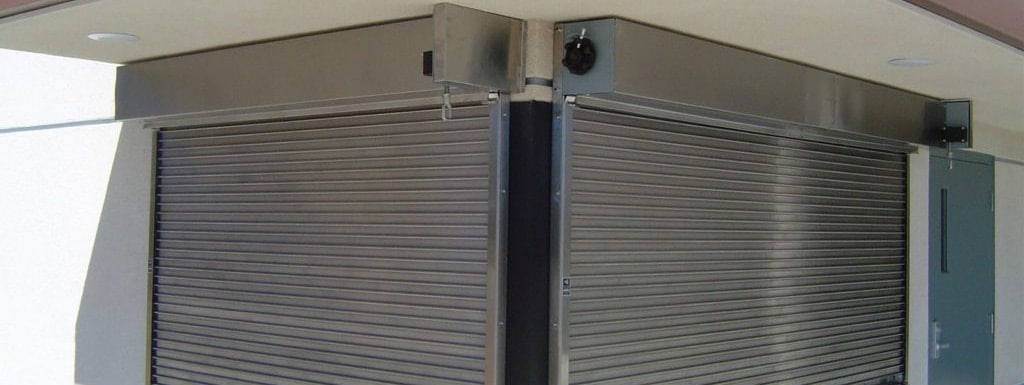
Rolling steel doors, sometimes called grill roller doors, are one of the most trusted security solutions for commercial buildings across the country. In Yuba City, CA, where businesses range from agricultural storage facilities to retail shops and warehouses, these doors serve as the first line of defense against theft, weather, and unauthorized access. Understanding how they work, what makes them effective, and how to keep them in good shape can save business owners a lot of headaches and money.
What Are Rolling Steel Doors?
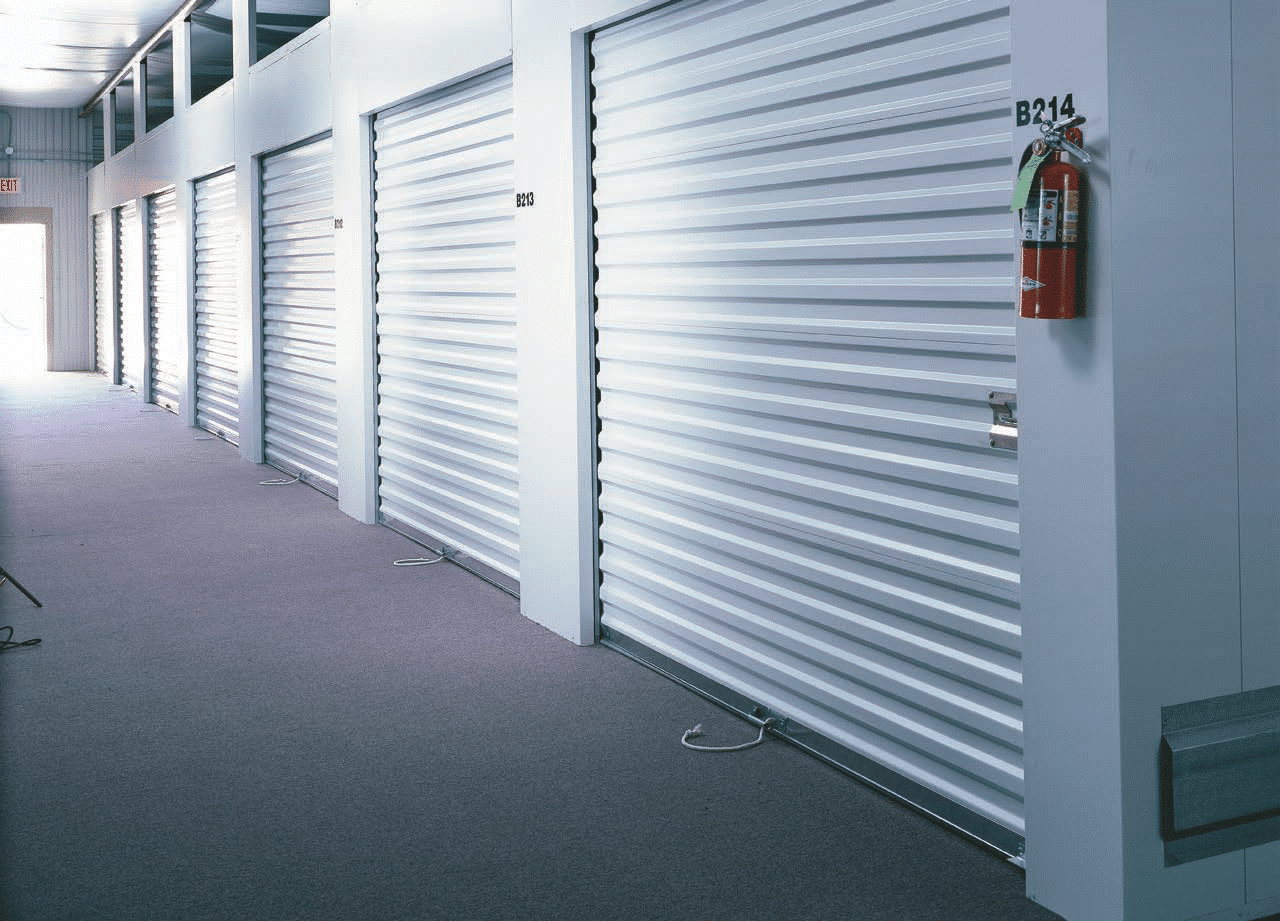
A rolling steel door is a large, heavy-duty door made of interlocking horizontal slats or a solid curtain of steel. When opened, the door coils around a barrel mounted above the door opening. When closed, it creates a tight, continuous barrier that covers the entire entryway.
These doors are built for commercial and industrial use. Unlike a standard garage door, they are designed to handle daily heavy use, exposure to the elements, and repeated attempts at forced entry.
For a deeper look at why these doors stand out in the commercial market, check out Why Rolling Steel Doors Are Trusted for Commercial Use.
How Rolling Steel Doors Physically Secure a Building
The security of a rolling steel door comes from several physical features working together.
Steel Construction
The material itself is the biggest factor. Commercial-grade rolling steel doors are made from thick, galvanized or painted steel slats. This material resists cutting, bending, and impact far better than aluminum or wood alternatives. In Yuba City’s hot summers, steel also holds up well compared to materials that warp or expand in high heat.
Continuous Interlocking Slats
Each slat hooks into the one above and below it. This interlocking design distributes force across the entire door rather than concentrating it at one point. Someone trying to pry the door open would need to overcome the resistance of the entire curtain, not just one section.
Bottom Bar and Floor Contact
At the base of the door sits a reinforced bottom bar. When the door is fully closed, this bar makes contact with the floor and seals the gap. Many commercial-grade models include rubber seals along this bottom bar to block debris, pests, and drafts, which is especially helpful in Yuba City’s dusty agricultural environment.
Guide Rails and Side Anchoring
The door travels inside vertical steel guide rails mounted on both sides of the opening. These rails keep the door in place and prevent it from being pushed inward or lifted from outside. The depth and thickness of these guides matter; heavy-duty guides make it extremely difficult to force the door off its track.
Locking Mechanisms
Rolling steel doors use several locking methods. The most common include:
- Slide bolts that extend into the guide rails when the door is in the down position
- Cylinder locks with a keyed exterior barrel
- Padlock hasps at the base of the door
- Motorized locking systems that engage automatically when the door is in the closed position
For businesses handling high-value inventory or operating overnight, a combination of a motorized operator and slide bolt locks provides significantly stronger protection than a padlock alone.
Want to know how these doors hold up under constant, demanding use? Read Are Rolling Steel Doors Built for Heavy Daily Use?
The Role of Motorized Operators
Most commercial rolling steel doors in Yuba City are paired with an electric operator. This motor controls the opening and closing of the door and connects to an access control system. Modern operators can include:
- Keypad entry that requires a code to open
- Card reader integration for employee-specific access
- Remote controls for authorized personnel
- Auto-close timers that close the door after a set period
- Limit switches that stop the door at the correct open and closed positions
The operator also serves as a secondary locking point. When the motor is not in use, a manual disconnect is typically required to override it, adding another layer of resistance to forced entry.
To explore all the features that make these doors a smart investment, visit What Makes Rolling Steel Doors Ideal for Businesses?
How Rolling Steel Doors Handle Weather and Environmental Threats in Yuba City
Yuba City’s climate presents specific challenges. Summers regularly push past 100°F, while the region can see heavy rain and fog during winter months. Rolling steel doors address these conditions through several design features.
Steel resists UV degradation that would break down softer materials over time. Galvanized finishes and powder coating protect against rust in wet weather. Door seals at the bottom, sides, and top help block water intrusion, which protects stored inventory and equipment from moisture damage.
Wind resistance is also a factor. Doors with reinforced slats and deep guide rails resist bowing under pressure from high winds, which can occur during storm systems moving through the Sacramento Valley.
What Can Weaken the Security of a Rolling Steel Door?
Even the best door loses its effectiveness if it is not maintained. Several common issues can compromise security:
Worn or Damaged Slats
Steel slats can develop rust, dents, or cracks over time. A compromised slat is easier to bend or cut through. Visual inspection on a regular basis catches this early.
Loose or Damaged Guide Rails
If guide rails become bent or pull away from the wall mounting, the door can be lifted out of the track. This is one of the most common ways intruders defeat rolling steel doors.
Failing Locks
Cylinder locks wear out. Slide bolts can become misaligned. Padlock hasps can loosen from the door frame. Any of these failures create entry points.
Operator Malfunctions
A motorized operator that does not fully close the door is a security vulnerability. Limit switch failures, worn gears, or electrical issues can all cause the door to stop short of a fully locked position.
Poor Installation
A rolling steel door is only as secure as its installation. Anchors that are not rated for the door weight, shallow guide rails, or improper barrel alignment all reduce security over time.
Tips to Keep Rolling Steel Doors in Top Security Condition
Staying ahead of problems is far less expensive than emergency repairs. Here are practical steps Yuba City business owners should follow:
- Inspect the door monthly. Look for rust spots, dents, and slat damage. Check that the bottom seal contacts the floor evenly across the full width of the door. Look at the guide rails for any visible gaps between the rail and wall mounting.
- Lubricate moving parts twice a year. The coil spring, bearings, and guide rail contact points should be lubricated with a product rated for commercial door hardware. Avoid petroleum-based sprays that attract dirt; silicone-based lubricants are a better option in dusty environments like Yuba City.
- Test all locking mechanisms monthly. Operate each lock through its full range of motion. Slide bolts should engage smoothly and seat fully into the guide rail. Cylinder locks should turn without resistance.
- Have the operator serviced annually. A qualified technician should test limit switches, check motor torque, inspect the drive chain or belt, and verify auto-close functionality if the system has it.
- Check anchor bolts periodically. Vibration from daily operation can loosen the bolts that hold guide rails to the wall and the barrel bracket to the header. A quick check with the appropriate wrench takes minutes but can prevent a major security failure.
If any of these inspections reveal damage, a licensed door service technician should evaluate the issue before it worsens. Temporary fixes on compromised slats or locks are not a substitute for proper repair.

When to Call a Professional
Some issues are clearly beyond a maintenance task. Business owners in Yuba City should contact a qualified door technician when:
- The door does not close flush with the floor or leaves visible gaps on the sides
- The coil spring shows signs of fatigue, uneven tension, or breakage
- The operator runs but the door does not move or moves unevenly
- Slide bolts no longer engage the guide rails
- The door has sustained an impact from a vehicle or equipment
Attempting to repair coil springs without proper training and tools is dangerous. Spring tension in commercial doors is significant, and improper handling can cause serious injury.
Upgrading Security on Older Rolling Steel Doors
Many businesses in Yuba City operate in older buildings with doors installed decades ago. Upgrading does not always mean full replacement. Whether the current setup uses a traditional sheet metal door or a newer slat-style curtain, some practical security improvements include:
- Adding a commercial-grade cylinder lock to a door that currently uses only a padlock
- Installing a monitored operator that sends alerts if the door is opened outside business hours
- Adding interior slide bolt bars for after-hours protection
- Replacing worn guide rails with deeper-profile commercial guides that make the door harder to lift
Average costs for these upgrades vary depending on the door size, hardware selected, and labor required. Getting a quote from a licensed local technician gives a more accurate picture than general estimates.
Ready to Upgrade Your Commercial Door Security?
R&S Overhead Doors of NorCal has the local expertise Yuba City businesses need, from minor repairs to full rolling steel door installations. Whatever the job, the team is ready to help. Contact us today or give us a call to get a free consultation.