Rolling steel doors are one of the most practical investments a business owner in Yuba City, CA can make. Whether it’s a warehouse on Colusa Highway, a retail shop downtown, or a commercial garage off Harter Parkway, these doors show up across nearly every type of business for good reason. Also known as a grill roller door in many commercial settings, this door type holds up against California’s heat, resists break-ins, and takes daily abuse without complaining. But not all rolling steel doors perform the same way, and knowing what separates a good installation from a bad one can save a lot of money and headaches down the road.
What Is a Rolling Steel Door?
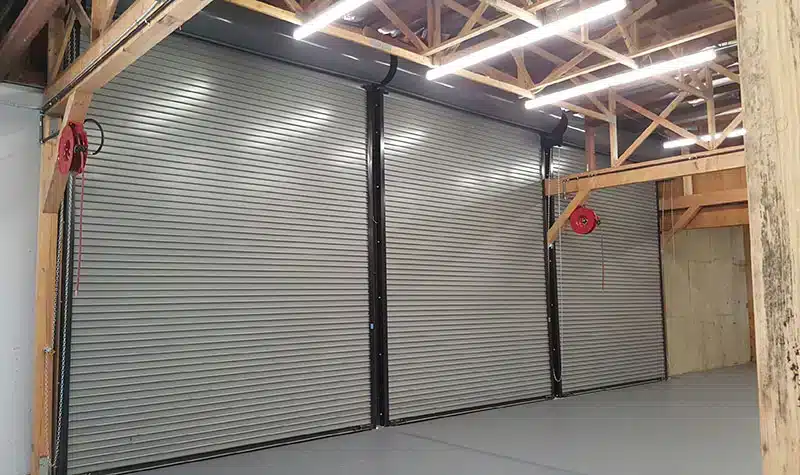
A rolling steel door, sometimes called a roll-up door or coiling door, is built from interlocking steel slats that coil around a drum mounted above the opening. When the door opens, the slats wrap around the drum. When it closes, they uncoil and form a solid curtain across the entryway. This design means no panels swinging outward, no tracks extending deep into the building, and minimal space wasted on either side of the opening.
They come in manual and motorized versions, and in several gauges of steel depending on how much security and durability a business needs.
For a deeper look at why this door type has become the go-to choice across so many industries, check out Why Rolling Steel Doors Are Trusted for Commercial Use.
Top Reasons Businesses Choose Rolling Steel Doors
They Handle Heavy Use Without Breaking Down
Most commercial garage doors are rated for a few thousand cycles per year. Rolling steel doors are built for tens of thousands. A distribution center loading dock, for example, might open and close a door 80 to 100 times a day. Standard sectional doors were not designed for that kind of load.
The coiling mechanism has fewer moving parts than sectional panel systems. Fewer parts mean fewer failure points. In Yuba City’s climate, where summer temperatures regularly push past 105°F, components that expand and contract repeatedly tend to wear out fast. Steel coiling curtains handle that thermal stress better than most alternatives.
What to check: Listen for grinding, popping, or hesitation during operation. These sounds usually point to worn springs, a misaligned coil drum, or a motor that’s starting to struggle.
If daily cycle count is a top concern for a business, How Do Rolling Steel Doors Secure Commercial Buildings? covers what makes these doors dependable under constant operational pressure.
Security That Keeps Businesses Protected
A rolling steel curtain is significantly harder to breach than a sectional panel door or an aluminum roll-up. Commercial-grade steel in 22-gauge or heavier is not going to be kicked in or pried open quickly. For businesses storing high-value inventory, equipment, or vehicles, that matters.
Many businesses in Yuba City’s industrial corridors deal with after-hours break-in attempts. A solid steel door, properly installed with quality locking hardware, removes the door itself as a vulnerability.
Tip: Look for doors with reinforced bottom bars and built-in slide bolt locks. If the installation uses a motorized opener, make sure the operator has a manual release that can be locked out to prevent forced disengagement from outside.
To understand just how much punishment these doors can take day after day, Are Rolling Steel Doors Built for Heavy Daily Use? is worth a read.
Space Efficiency That Makes Operations Easier
Traditional overhead sectional doors require a certain amount of “headroom” inside the building for the horizontal tracks. Rolling steel doors need far less. The coiling drum sits tight against the ceiling, and there are no tracks running horizontally into the building.
For warehouses with shelving close to the door, shops where forklifts need to move freely, or older buildings with lower ceilings, this matters a great deal. The extra clearance gained can directly affect workflow.
Built for California Weather
Yuba City sits in the Sacramento Valley, which means scorching summers, occasional valley fog creating moisture exposure in winter, and wildfire smoke season. Rolling steel doors, when properly powder-coated or galvanized, hold up against all of it.
Aluminum and wood alternatives degrade faster in this climate. Steel with a quality finish resists corrosion, doesn’t warp or swell from moisture, and maintains its structural integrity through temperature swings.
What to check: Inspect the finish annually. Small chips or rust spots at the bottom bar are early warning signs. Catching surface rust early, before it spreads to the slats, keeps repair costs low.
Low Long-Term Maintenance Costs
Compared to other commercial door types, rolling steel doors have predictable, manageable maintenance needs. The main items are spring tension, lubrication, and bottom seal replacement.
Average costs for routine maintenance are relatively affordable, and a well-maintained door can last 20 to 30 years in commercial use. Neglected doors, on the other hand, tend to fail at the worst possible time, like during a busy delivery window or a customer-facing moment.
Maintenance tips:
- Lubricate the coil drum bearings and side guides every six months with a product rated for high-temperature environments.
- Check the bottom rubber seal before rainy season. Yuba City’s winter rain events can push water under a worn seal and onto warehouse floors.
- Test manual operation at least once a year in case of power failure or motor issue.
Fire-Rated Options for Code Compliance
Many commercial buildings in Yuba City, particularly those in mixed-use developments or older structures along the highway corridors, require fire-rated door assemblies between certain occupancy zones. Rolling steel fire doors are one of the primary solutions for meeting those code requirements.
These doors are constructed with fusible links that cause the door to drop automatically when heat from a fire reaches a certain threshold. They are not the same as standard rolling steel doors and should never be used interchangeably.
Tip: If a business is in a space that has a fire-rated door requirement, verify that the existing door still has its UL label intact. Painted-over labels or missing hardware are red flags that may not pass inspection.
Customization for Any Business Type
Rolling steel doors are not a one-size-fits-all product, though they’re often thought of that way. They can be ordered in custom widths and heights, with vision slots for light, with perforated slat patterns for ventilation, or in specific colors to match a business’s exterior.
For retail businesses in Yuba City that want security without the look of a heavy industrial installation, there are options. Perforated curtains allow natural light and airflow while still providing a solid barrier after hours. This is common in shopping centers and food service facilities.
Faster Emergency Response
When a rolling steel door fails, repairs are usually more straightforward than sectional door repairs. A broken spring on a sectional door may require partial disassembly and realignment of multiple panels. A coiling door spring replacement, while still a job for a trained technician, involves fewer components and is often completed in a single service call.
This matters in commercial settings where a door being out of service means disrupted deliveries, compromised security, or halted operations.
What to avoid: Attempting to adjust spring tension without the right tools is dangerous. High-tension torsion springs store enormous energy and can cause serious injury if released improperly. This is a job for a professional.
Energy Efficiency Options
For businesses with climate-controlled environments, rolling steel doors with insulated slats significantly reduce energy loss at large openings. Standard non-insulated curtains are fine for storage or open warehouses, but any space that relies on refrigeration, air conditioning, or heating will benefit from insulated models.
Insulated rolling doors typically use polyurethane foam-filled slats. The energy savings, particularly during Yuba City’s long hot summers, can offset a portion of the higher upfront cost.
Tip: Check the R-value rating when comparing insulated options. A higher R-value means better thermal resistance. For most commercial applications in the Central Valley, an R-value between 6 and 12 is appropriate.
Proven Track Record Across Commercial Industries
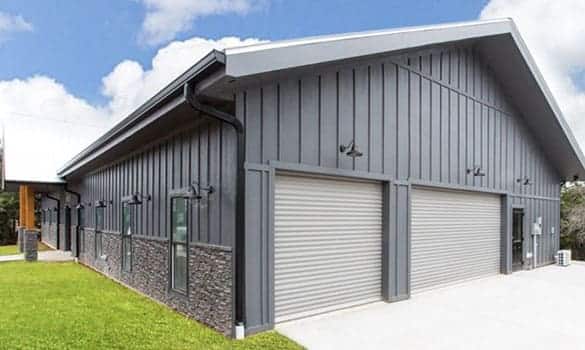
Rolling steel doors are not a trend. They have been the standard in commercial and industrial applications for decades because they consistently perform in the conditions businesses actually face. From sheet metal door assemblies in auto shops to heavy-duty coiling curtains on loading docks, these systems serve restaurants, fire stations, municipal facilities, self-storage operations, and retail businesses across Yuba City and the greater Sacramento Valley every single day.
When something works reliably across that many different contexts, it’s not luck. It’s a well-engineered solution.
Ready to Work With a Trusted Local Expert?
R&S Overhead Doors of NorCal serves businesses throughout Yuba City and the Sacramento Valley with professional commercial door installation, repair, and maintenance. Local businesses trust us to get the job done right the first time. Contact us today or give us a call to get started.